

Rising Energy Costs Make Lighting Efficiency a Key Concern
For signage companies, retail brands and commercial lighting projects, electricity cost is no longer a minor factor. Lighting systems often operate for long hours every day, making energy consumption a significant part of operational expenses.
Many projects install LED systems expecting lower energy use, but still experience high electricity bills or unstable performance. This usually happens when modules are not optimized for efficiency.
Choosing the right energy saving LED module is critical for reducing long-term costs while maintaining lighting quality.
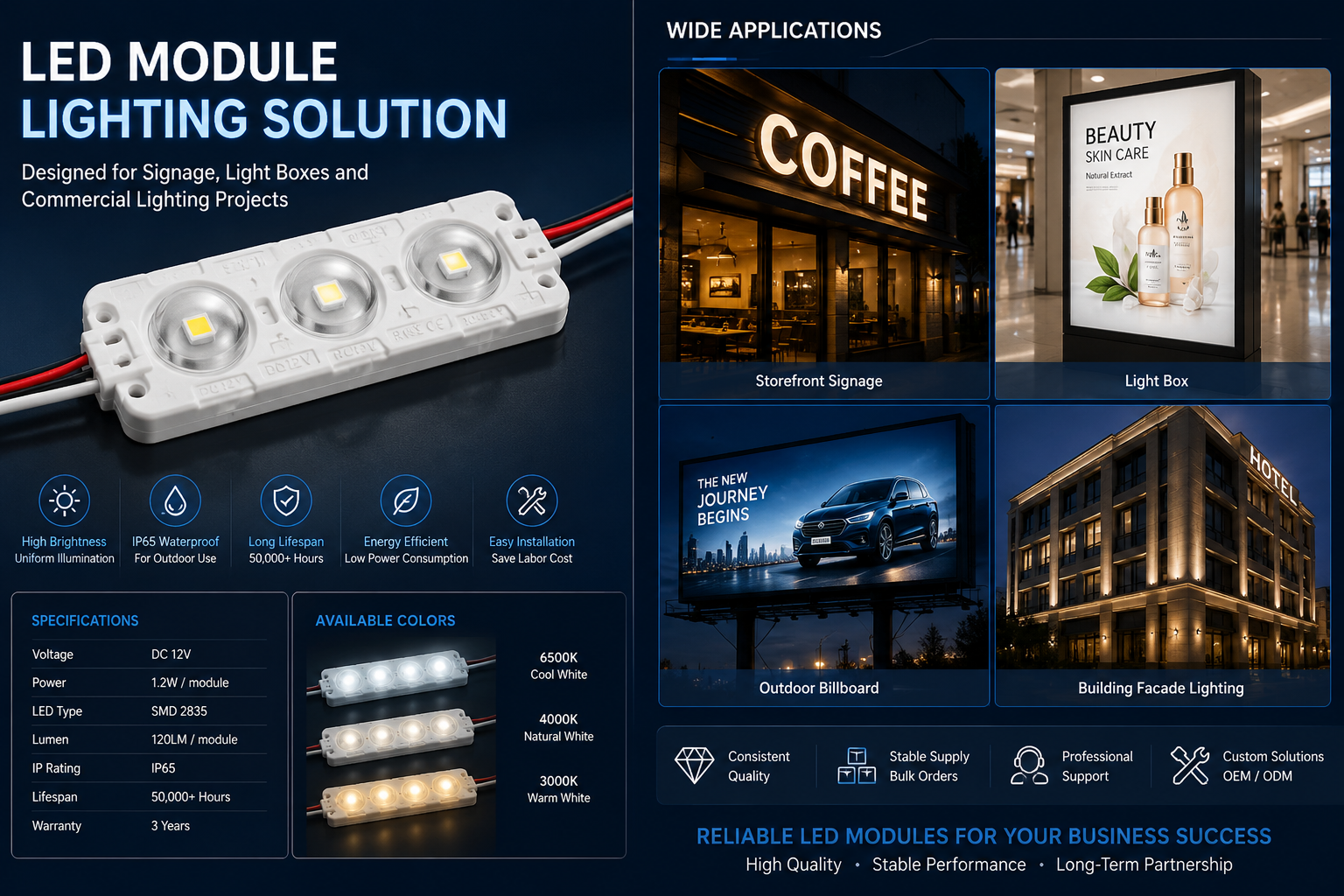
At YESUN LED, we design energy saving LED module solutions that balance brightness and power consumption. By optimizing chip efficiency and circuit design, we help clients achieve reliable performance with lower energy usage.
According to the International Energy Agency, LED lighting can reduce energy consumption by up to 75% compared to traditional lighting systems.
https://www.iea.org
Materials and Efficiency Design in Energy Saving LED Modules
An effective energy saving LED module depends on both materials and electrical design.
High-quality modules typically use SMD 2835 LED chips, which are known for high luminous efficiency. In commercial applications, efficiency can reach 110–150 lm/W, allowing strong brightness with lower power consumption.
Efficiency improvements come from:
- High-efficiency LED chips with better lumen output
- Optimized circuit design to reduce energy loss
- Stable power input for consistent operation
| Parameter | Standard Modules | Energy Saving LED Module |
|---|---|---|
| Power Consumption | High | Reduced (20–40% lower) |
| Luminous Efficiency | 70–100 lm/W | 110–150 lm/W |
| Heat Generation | Higher | Lower |
| Operating Stability | Moderate | High |
| Lifespan | 20,000–30,000 hrs | ≥50,000 hrs |
Lighting research from the Lighting Research Center shows that efficient LED design significantly reduces energy consumption in commercial lighting systems.
https://www.lrc.rpi.edu
Why This Perspective Matters: YESUN LED Efficiency Experience
In real projects, energy efficiency is not just about lower power consumption—it is about maintaining performance while reducing energy usage.
Many low-cost modules claim to be energy-saving but sacrifice brightness or stability. This leads to poor lighting quality and shorter lifespan.
At YESUN LED, we focus on:
- Maintaining brightness while reducing power consumption
- Ensuring stable performance across long operating hours
- Optimizing thermal management to reduce energy loss
Our energy saving LED module solutions are designed for over 50,000 hours of operation, helping reduce both electricity costs and maintenance frequency.
The U.S. Department of Energy highlights that energy-efficient LED systems reduce operational costs and improve reliability.
https://www.energy.gov
Real Case: Reducing Energy Costs for a Retail Lighting Project
A retail chain operating multiple stores faced rising electricity costs due to long lighting hours. Their existing LED modules consumed more power than expected and required frequent replacement.
The client needed a solution that could reduce energy consumption without affecting brightness.
After evaluating the project, the YESUN LED team recommended upgrading to an energy saving LED module with higher luminous efficiency and optimized power design.
After installation, the client reported:
- Reduced energy consumption across all stores
- Consistent brightness levels
- Lower maintenance costs
The upgrade helped improve overall operational efficiency while maintaining strong visual presentation.
According to the Sign Research Foundation, effective lighting improves both visibility and customer engagement in retail environments.
https://www.signresearch.org
Safety, Certification and Transport Considerations
Energy-efficient lighting systems must also meet safety and compliance standards.
Low-quality modules may experience unstable voltage or overheating. Reliable modules are designed with stable electrical performance.
Certification is essential for global markets. Products should meet CE, RoHS and UL standards, ensuring compliance across different regions.
Transport protection is another important factor. Modules should be packaged using:
- Anti-static materials
- Reinforced cartons
- Protective packaging
Organizations such as the World Green Building Council promote energy-efficient lighting systems in commercial buildings.
Where Energy Saving LED Modules Are Used and What Each Scenario Needs
Different applications benefit from energy-efficient lighting solutions.
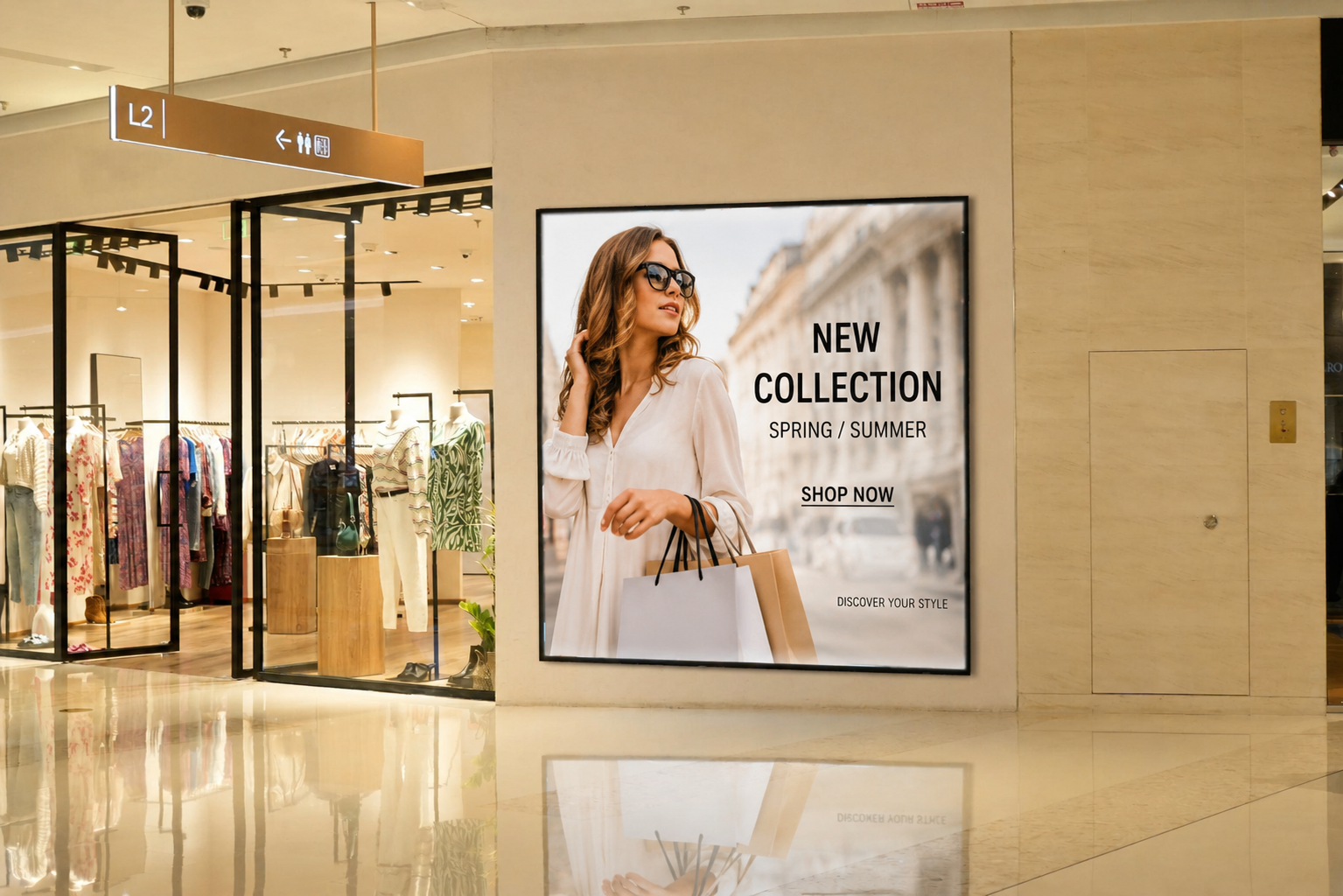
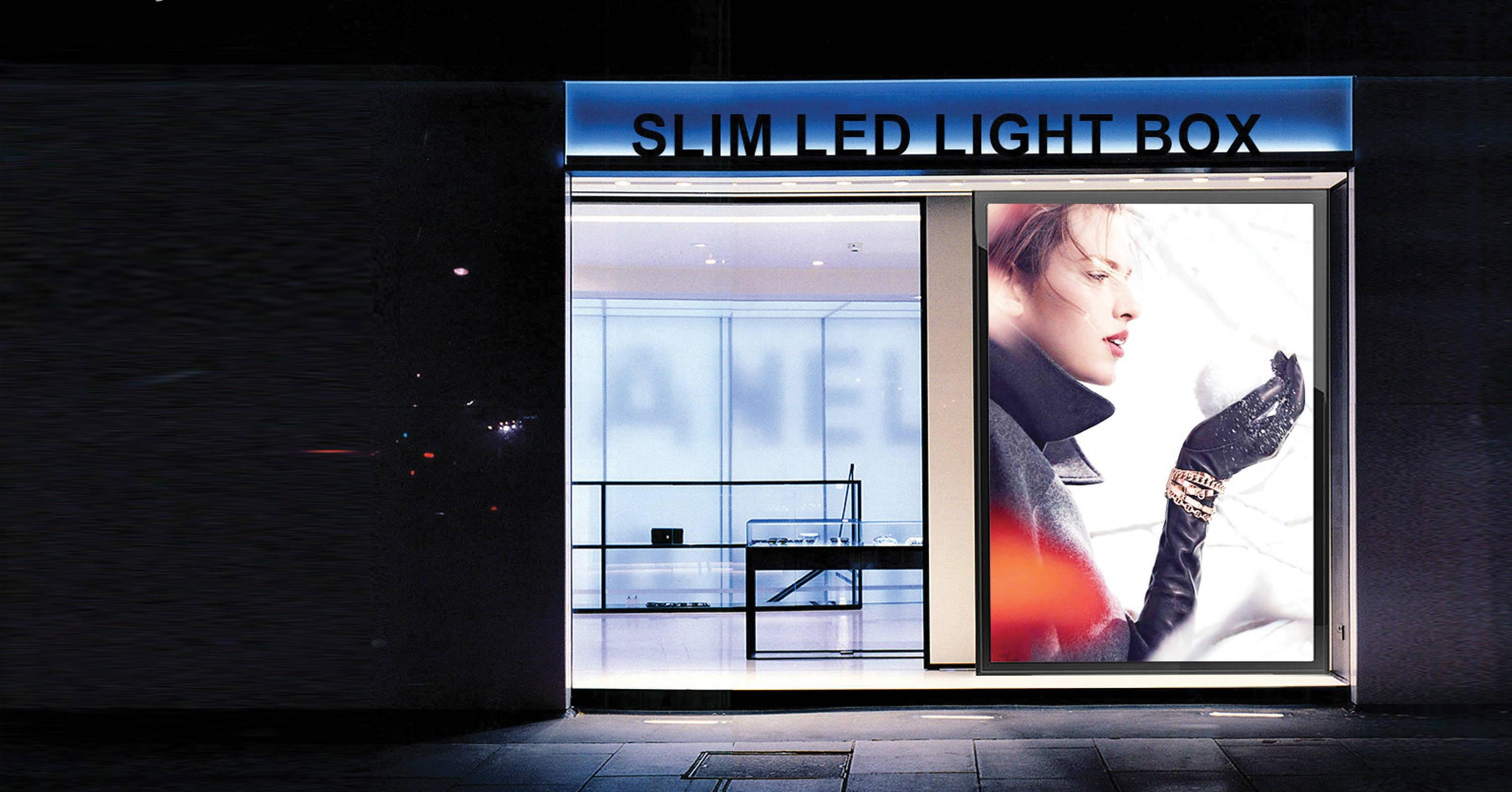
Storefront Signage
Real demand: reduced electricity costs with stable brightness
YESUN Optimization: efficient modules with balanced output
Retail Lighting
Real demand: long operating hours with low energy consumption
YESUN Optimization: high-efficiency modules with stable performance
Advertising Displays
Real demand: consistent brightness with reduced power usage
YESUN Optimization: optimized modules for energy efficiency
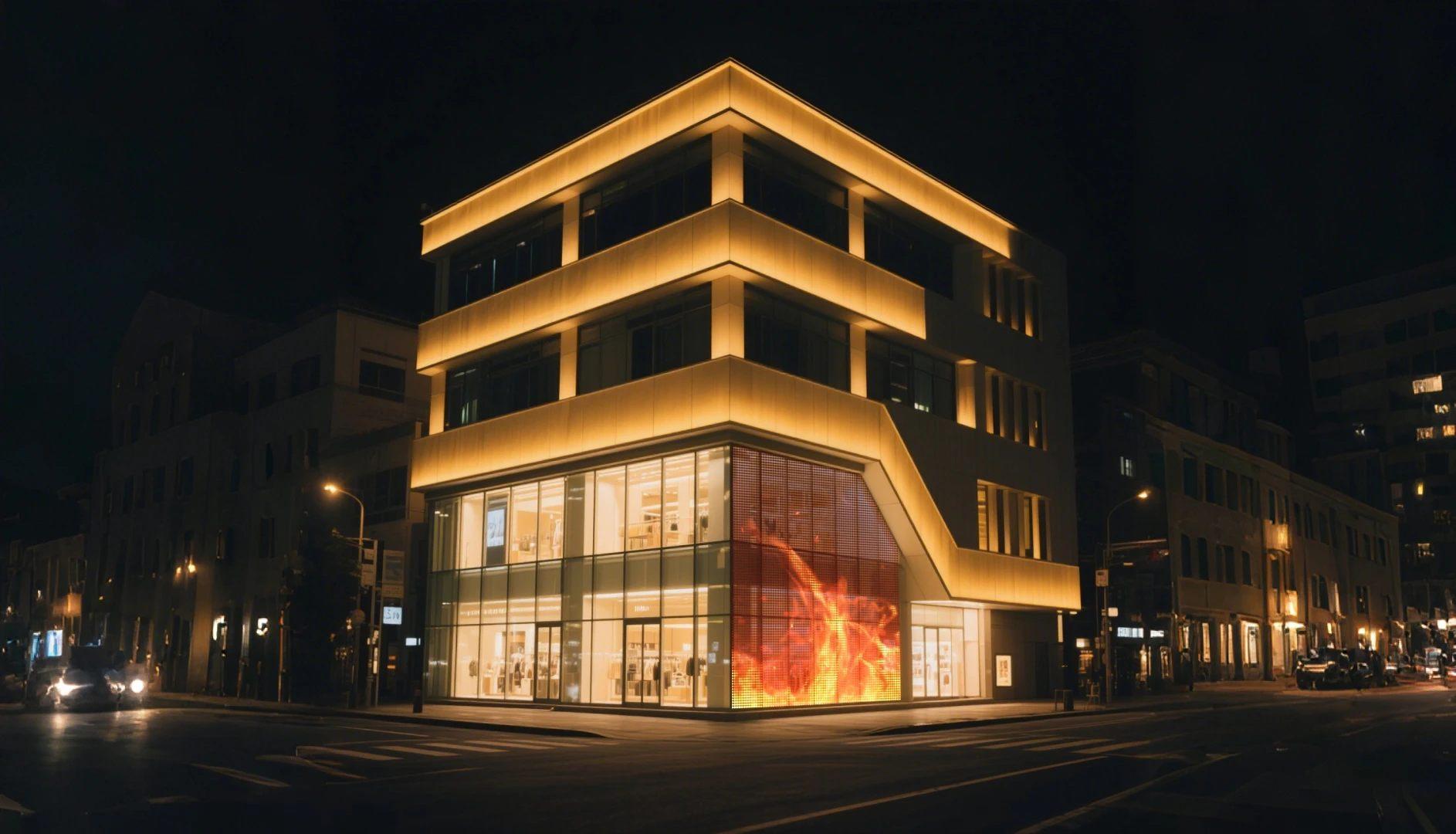
Large Commercial Projects
Real demand: cost control across multiple installations
YESUN Optimization: scalable energy-saving solutions
Frequently Asked Questions
Q: What is an energy saving LED module?
A: It is an LED module designed to provide high brightness with lower power consumption.
Q: How much energy can LED modules save?
A: High-efficiency modules can reduce energy consumption by 20–40% compared to standard modules.
Q: Can energy saving LED modules be customized?
A: Yes. Specifications can be adjusted based on project requirements.
YESUN LED Energy Efficient Lighting Solutions
YESUN LED provides energy saving LED module solutions for signage, retail and commercial lighting projects. Our products focus on reducing power consumption while maintaining stable performance.
Learn more about our company and capabilities:
https://www.ysleds.com/
Explore our full range of LED modules and lighting products:
https://www.ysleds.com/products
For businesses looking to reduce operational costs, YESUN LED offers reliable energy saving LED module solutions designed for long-term performance.