


How LED Neon Strips Are Manufactured: A Factory Perspective
LED neon strips may look like simple flexible lighting products, but producing reliable neon-style LED solutions requires precise control of electronics, optical design, materials, and manufacturing processes.
For professional lighting projects, product performance depends on much more than the LED chips inside the strip. The silicone housing, circuit structure, light diffusion technology, waterproof design, and quality control process all influence the final lighting effect.
A capable LED neon strip manufacturer should have the ability to manage the complete production process, from raw material selection and prototype development to mass production and quality inspection.
For businesses such as signage manufacturers, lighting brands, distributors, and architectural lighting contractors, choosing a manufacturer with strong production capability helps ensure:
- Stable product quality
- Consistent lighting performance
- Reliable delivery
- Flexible customization
- Long-term project support
YESUN LED provides customized LED lighting solutions for commercial signage, architectural projects, decorative lighting, and OEM applications.
Explore YESUN’s LED Neon Strip Products.
The Main Components Inside an LED Neon Strip
A professional LED neon strip is a combination of multiple components working together.
Understanding these components helps buyers evaluate manufacturing capability.
LED Chips: The Foundation of Lighting Performance
The LED chips determine the basic lighting characteristics, including:
- Brightness
- Energy efficiency
- Color consistency
- Working lifespan
High-quality LED chips help maintain stable illumination throughout long-term operation.
For commercial projects, manufacturers also need to control LED color consistency between different production batches.
This is especially important for:
- Large signage installations
- Architectural lighting projects
- Retail environments
- Brand display systems
Flexible PCB or FPC Circuit Design
The internal circuit structure affects both electrical performance and installation flexibility.
A reliable PCB/FPC design helps achieve:
- Stable current distribution
- Better heat management
- Flexible bending capability
- Consistent LED operation
Poor circuit design may result in:
- Voltage drop
- Uneven brightness
- Reduced lifespan
- Product failure
Professional LED neon strip manufacturers optimize circuit design according to product length, voltage requirements, and application conditions.
Silicone Diffusion Housing
The silicone housing is one of the most important differences between LED neon strips and standard LED strips.
It provides:
- Light diffusion
- Physical protection
- Flexible structure
- Weather resistance
- Visual uniformity
The quality of silicone affects:
- Light transmission
- Surface appearance
- Flexibility
- Outdoor durability
A well-designed silicone structure helps transform individual LED points into a smooth continuous lighting effect.
Wires and Connection Components
Reliable connection systems are essential for installation efficiency.
Manufacturers need to consider:
- Cable quality
- Connector stability
- Connection position
- Installation requirements
For commercial projects, customized cable lengths and connection solutions can simplify installation and reduce labor costs.
LED Neon Strip Manufacturing Process Step by Step
A professional LED neon strip factory follows a controlled production workflow.
Step 1: Raw Material Inspection
Before production begins, manufacturers inspect incoming materials.
Typical inspection items include:
- LED chips
- PCB/FPC materials
- Silicone materials
- Electronic components
- Wires and connectors
This first quality-control stage helps prevent unstable materials from entering production.
Step 2: SMT Assembly Process
During SMT production, LED components are accurately mounted onto the circuit board.
The process includes:
- LED placement
- Soldering
- Circuit inspection
- Electrical testing
Precision during this stage affects:
- LED alignment
- Brightness consistency
- Electrical reliability
Step 3: Silicone Extrusion Process
Silicone extrusion is a key manufacturing process for LED neon strips.
During extrusion:
- LED circuits are inserted into silicone housing
- The shape is formed
- Light diffusion structure is created
- Protection performance is developed
Manufacturing control during extrusion affects:
- Silicone thickness
- Surface quality
- Light distribution
- Waterproof performance
This is one of the main reasons why experienced LED neon strip manufacturers can produce more consistent products.
Step 4: Cutting and Connection Processing
After extrusion, products are processed according to project requirements.
This may include:
- Cutting to specific lengths
- Adding cables
- Installing connectors
- Preparing customized sections
For OEM projects, manufacturers may adjust:
- Cable position
- Cutting marks
- Connector type
- Product structure
Step 5: Aging and Performance Testing
Before shipment, LED neon strips should go through reliability testing.
Common tests include:
- Continuous lighting tests
- Brightness inspection
- Color consistency testing
- Electrical testing
- Waterproof testing
These processes help ensure products maintain stable performance during actual use.
Why Silicone Extrusion Technology Determines LED Neon Strip Quality
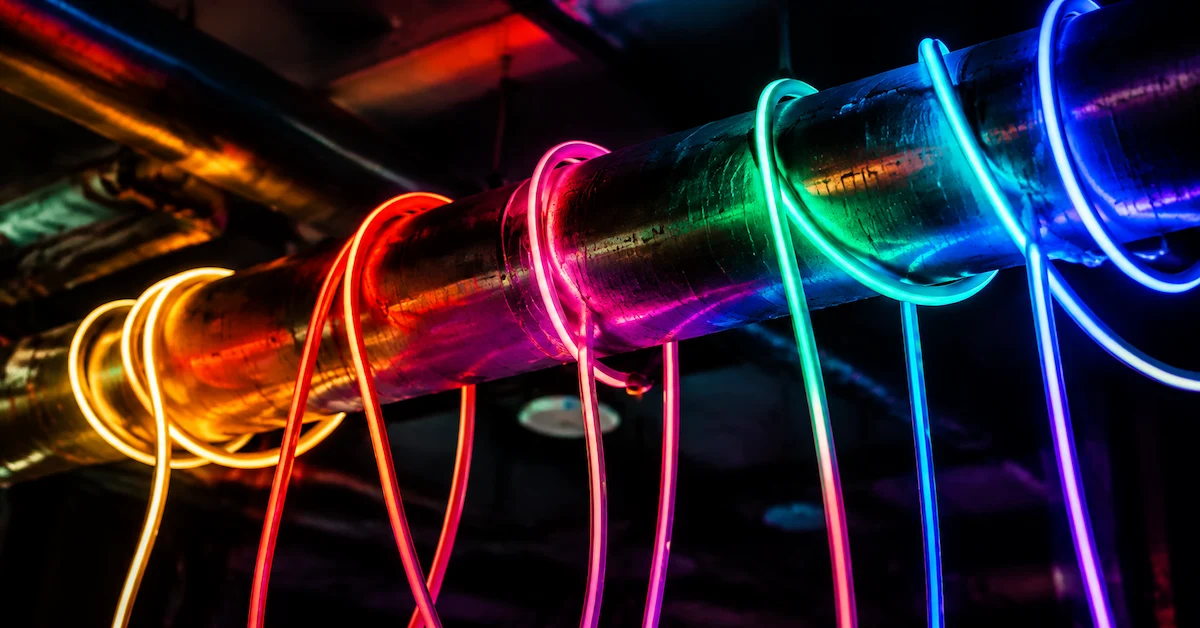
Silicone extrusion is one of the most important manufacturing capabilities behind LED neon lighting.
Two LED neon strips may use similar LED chips but produce completely different results because of differences in silicone technology.
Important factors include:
Light Diffusion Performance
Good silicone diffusion helps:
- Reduce visible LED dots
- Create smoother illumination
- Improve visual quality
Silicone Hardness and Flexibility
The material needs to balance:
- Structural protection
- Bending flexibility
- Installation convenience
UV and Weather Resistance
Outdoor applications require silicone materials that can withstand:
- Sun exposure
- Temperature changes
- Environmental conditions
Extrusion Consistency
Consistent silicone forming ensures:
- Uniform appearance
- Stable light output
- Reliable product quality
For large commercial projects, manufacturing consistency is often more important than the initial product price.
Optical Design Behind Uniform LED Neon Lighting
A high-quality LED neon strip requires careful optical engineering.
Several factors influence the final lighting effect.
LED Density
The number and spacing of LEDs affect:
- Brightness
- Uniformity
- Dark area reduction
Higher LED density can improve visual smoothness, especially for close-view applications.
Light Diffusion Structure
The silicone design determines how light spreads.
Good diffusion helps create:
- Continuous neon appearance
- Smooth brightness
- Better visual comfort
Viewing Angle
Different applications require different light distribution.
For example:
- Signage may require direct visibility
- Architectural lighting may require side illumination
- Decorative projects may prioritize ambient effects
PCB Layout Design
The circuit layout influences:
- Power stability
- Heat control
- Maximum installation length
A professional manufacturer considers optical and electrical design together.
How Manufacturers Develop Custom LED Neon Strip Products
OEM projects usually require more than standard catalog products.
A professional LED neon strip manufacturer should provide a complete development process.
Requirement Analysis
The manufacturer should understand:
- Application environment
- Installation dimensions
- Brightness requirements
- Color requirements
- Control system
- Quantity
This information helps define the correct product structure.
Prototype Development
Before mass production, manufacturers usually create samples for testing.
Sample evaluation may include:
- Appearance checking
- Lighting performance
- Installation testing
- Customer feedback
Product Optimization
Based on sample results, manufacturers can adjust:
- LED density
- Silicone structure
- Cable design
- Power configuration
- Lighting parameters
Mass Production Control
After approval, production requires:
- Standardized processes
- Material control
- Batch inspection
- Final testing
This ensures consistency between samples and production orders.
Manufacturing Quality Control for LED Neon Strips
A reliable LED neon strip manufacturer should have a complete QC system.
Incoming Quality Control (IQC)
Checks incoming materials:
- LED quality
- PCB condition
- Silicone material
- Electronic components
Production Quality Control (PQC)
Monitors:
- SMT process
- Assembly quality
- Extrusion quality
- Electrical performance
Final Quality Control (FQC)
Before shipment, products are checked for:
- Appearance
- Brightness
- Color consistency
- Electrical safety
- Packaging quality
A complete QC system helps reduce project risks for global buyers.
What Industries Need Custom LED Neon Strip Manufacturing?
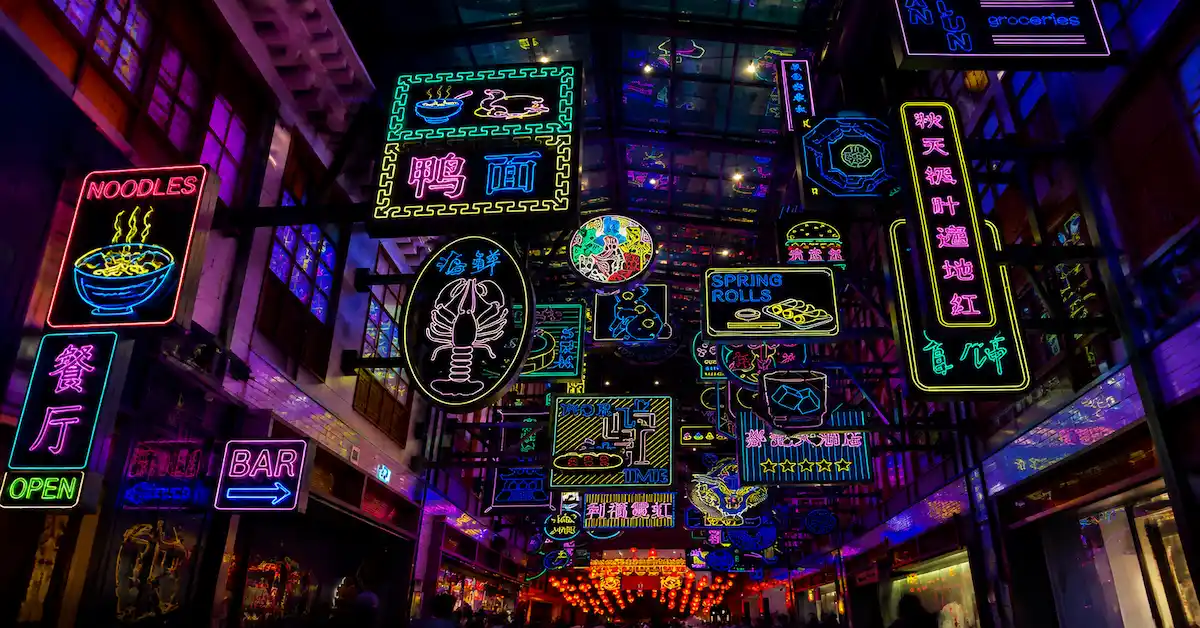
Sign Manufacturing Industry
Sign companies often require:
- Custom lengths
- Flexible shapes
- Stable brightness
- Easy installation
LED neon strips are widely used for:
- Logo lighting
- Decorative signs
- Storefront displays
Lighting Brands and Distributors
Brands and distributors often need:
- Private label solutions
- Customized specifications
- Stable supply capability
A manufacturer with OEM experience can help create differentiated products.
Architectural Lighting Companies
Architectural projects require:
- Long-term reliability
- Consistent appearance
- Outdoor durability
Applications include:
- Building outlines
- Decorative structures
- Landscape lighting
Interior Design Projects
Interior applications include:
- Furniture lighting
- Ceiling details
- Creative installations
- Commercial spaces
Customization capability is often essential for unique designs.
Exhibition and Event Companies
Temporary and creative installations require:
- Flexible shapes
- Easy installation
- Special lighting effects
LED neon solutions provide designers with more possibilities.
LED Neon Strip Factory vs Standard LED Strip Factory
LED neon strip production requires different manufacturing capabilities compared with traditional LED strip production.
| Comparison | LED Neon Strip Factory | Standard LED Strip Factory |
|---|---|---|
| Silicone extrusion | Required | Usually not required |
| Light diffusion control | Advanced | Basic |
| Flexible shaping | Strong | Limited |
| Waterproof structure | Specialized | Depends on product |
| Custom housing | Available | Limited |
| Optical design | Important | Basic |
A manufacturer with neon strip expertise understands the additional processes required for flexible neon lighting.
OEM Questions Buyers Should Ask an LED Neon Strip Manufacturer
Before cooperation, buyers should confirm:
Can You Customize LED Neon Strip Specifications?
Including:
- Length
- Voltage
- Color
- Connector
- Cable position
How Do You Control Product Consistency?
Ask about:
- Material inspection
- Production testing
- Batch control
Can You Provide Samples Before Mass Production?
Samples help verify:
- Appearance
- Brightness
- Installation compatibility
Do You Support Private Label Projects?
For distributors and brands, confirm:
- Packaging
- Labels
- Documentation
- Product customization
Why Choose YESUN as Your LED Neon Strip Manufacturer?
YESUN provides customized LED neon lighting solutions for global commercial applications.
The company supports customers with:
- Flexible LED neon strips
- Custom LED lighting development
- OEM/ODM services
- Manufacturing support
- Quality control
YESUN focuses on helping customers create reliable lighting products for:
- Signage projects
- Architectural applications
- Retail environments
- Decorative installations
Explore YESUN’s complete LED Products or learn more about manufacturing capabilities through the About YESUN LED page.
Frequently Asked Questions About LED Neon Strip Manufacturers
What does an LED neon strip manufacturer do?
An LED neon strip manufacturer designs and produces flexible neon lighting products, including LED assembly, silicone extrusion, testing, customization, and quality control.
What makes a good LED neon strip factory?
A reliable factory should have manufacturing experience, advanced production processes, quality control systems, and OEM customization capability.
Can LED neon strips be produced in custom shapes?
Yes. Professional manufacturers can develop customized shapes, lengths, and structures based on project requirements.
Why is silicone important in LED neon strips?
Silicone controls light diffusion, protects internal components, improves flexibility, and affects outdoor durability.
What tests should an LED neon strip manufacturer perform?
Common tests include brightness testing, electrical testing, aging testing, color consistency checking, and waterproof testing.
Can LED neon strip manufacturers provide private label services?
Yes. Many manufacturers support private labeling, customized packaging, and product documentation for distributors and lighting brands.
How long does custom LED neon strip production take?
Production time depends on product complexity, customization requirements, order quantity, and testing requirements.
Does YESUN provide OEM LED neon strip manufacturing?
Yes. YESUN supports customized LED neon strip projects with product development and manufacturing services.
Conclusion
Choosing an experienced LED neon strip manufacturer helps businesses achieve better product quality, stable performance, and customized lighting solutions.
Professional LED neon production requires more than assembling LEDs. It involves material selection, silicone extrusion, optical design, electrical engineering, testing, and quality management.
For lighting brands, distributors, signage companies, and project contractors, partnering with a capable manufacturer can reduce development risks and improve long-term project success.
YESUN provides flexible LED neon strip manufacturing solutions with OEM support and professional production capabilities for global commercial lighting applications.