

Choosing the right LED strip distributor supplier is a strategic decision for importers, wholesalers, signage suppliers, lighting distributors, and private-label brands.
A distributor does not only need a product that works in one installation. The product must remain consistent across repeated shipments, fit different customer applications, support competitive pricing, and generate manageable after-sales costs.
The right supplier should help distributors build a practical product portfolio rather than simply offering hundreds of similar models. This means selecting the correct LED strip categories, matching power supplies and controllers, preparing market-ready packaging, and maintaining stable specifications for repeat orders.
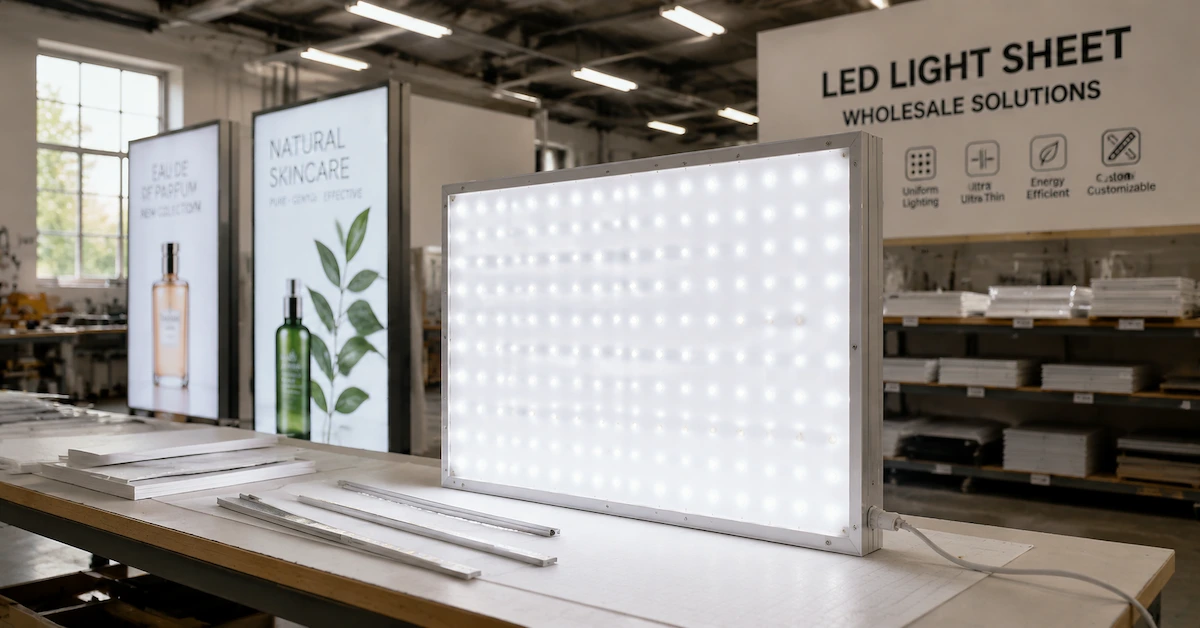
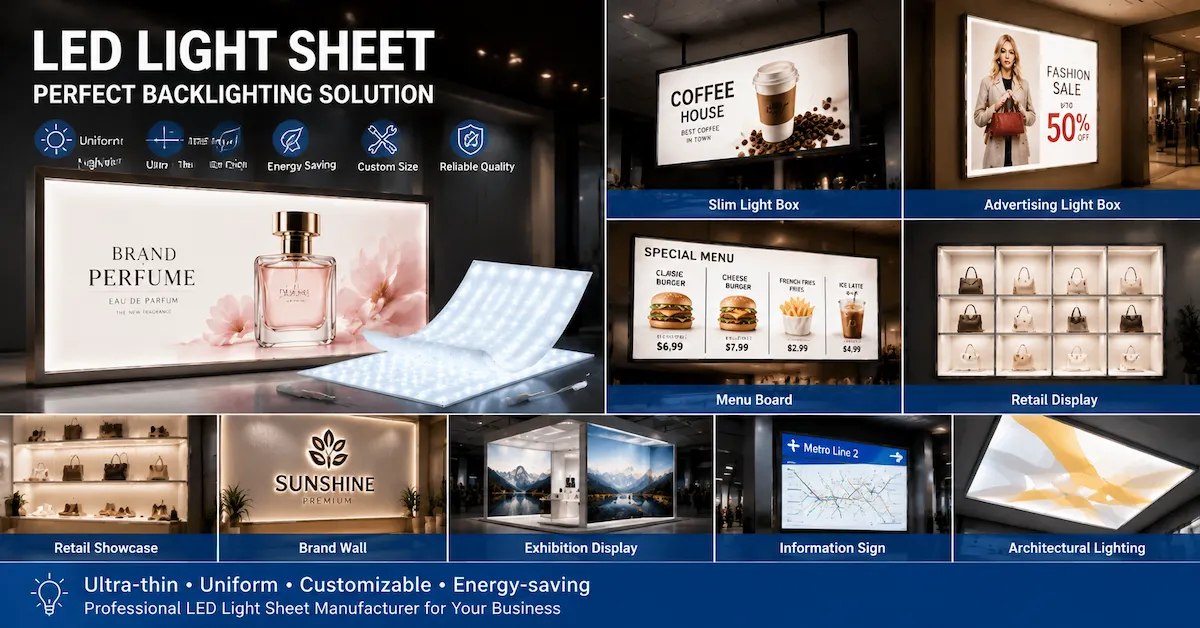
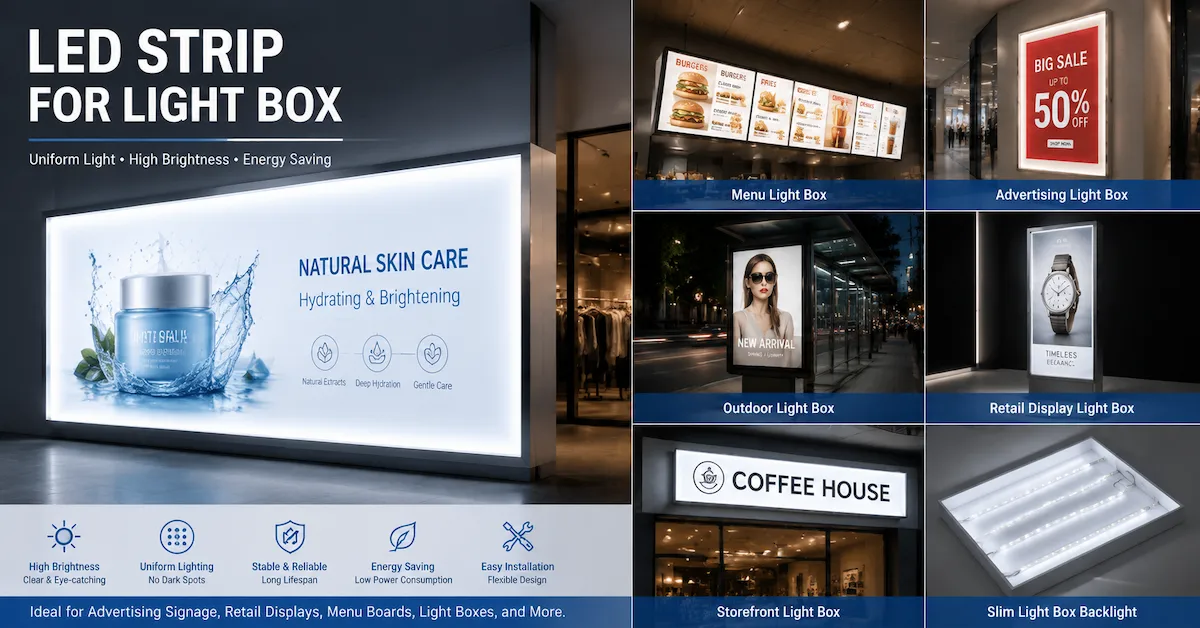
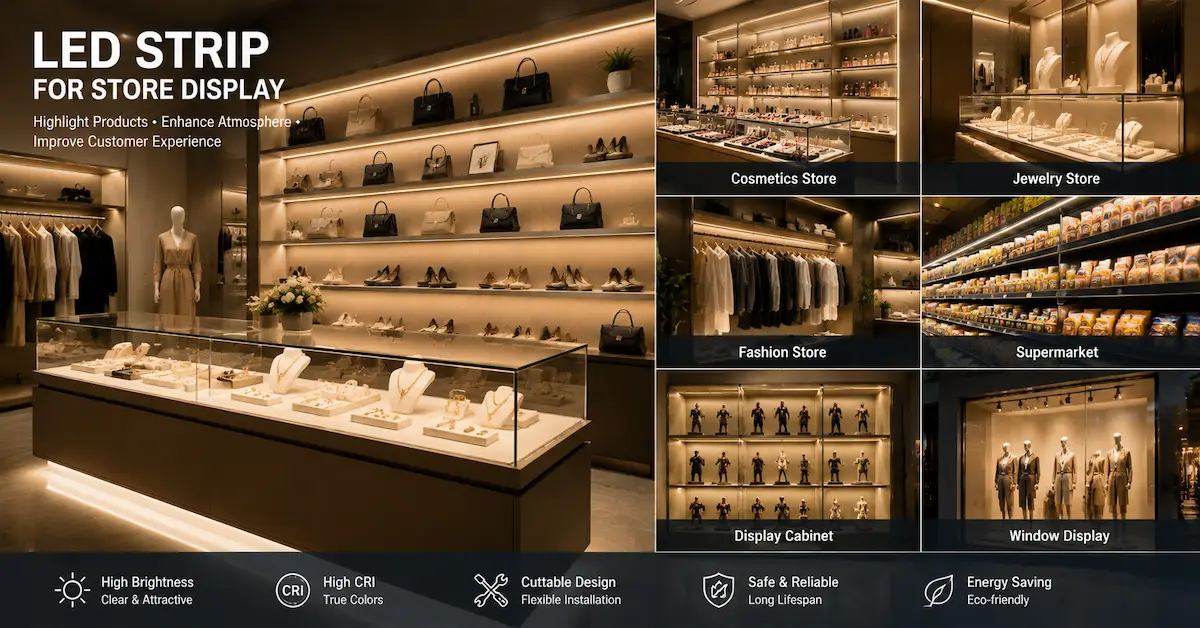
YESUN LED provides LED strips, LED modules, FPC light sheets, LED neon strips, controllers, power supplies, and related products for signage and commercial lighting markets.

Who Needs an LED Strip Distributor Supplier?
This type of supplier relationship is most suitable for businesses that resell LED products or supply complete lighting solutions to other companies.
Typical buyers include:
- LED lighting distributors
- Electrical wholesalers
- Advertising signage suppliers
- Light box material distributors
- Commercial lighting dealers
- Importers and regional agents
- Retail fixture suppliers
- Architectural lighting companies
- Online B2B lighting sellers
- Private-label LED brands
- Project supply companies
- OEM and ODM buyers
These customers usually need a combination of standard products, custom models, technical support, reliable delivery, and repeat-order consistency.
A professional LED strip distributor supplier should understand that distributors have different priorities from one-time project buyers. They need products that are easy to explain, quote, stock, sell, install, and reorder.
What LED Strip Products Should a Distributor Stock?
A strong distributor portfolio should cover the most common applications without creating too many overlapping SKUs.
A practical starting range may include:
| Product Category | Main Selling Point | Typical Customer |
|---|---|---|
| Standard SMD LED strip | Competitive and versatile | General installers and retailers |
| COB LED strip | Smooth light with fewer visible dots | Furniture, retail, and interior contractors |
| Waterproof LED strip | Suitable for humid and outdoor areas | Signage and exterior lighting companies |
| High-density LED strip | Better light uniformity | Light box and display manufacturers |
| RGB LED strip | Color-changing effects | Bars, events, entertainment projects |
| RGBW LED strip | Color effects plus white light | Hospitality and commercial interiors |
| CCT-tunable LED strip | Adjustable warm and cool white | Retail, hotel, and office projects |
| Addressable RGB strip | Dynamic pixel effects | Creative displays and entertainment spaces |
| S-shape LED strip | Flexible lateral bending | Sign makers and logo manufacturers |
| LED strip with lens | Controlled light distribution | Light boxes and signage systems |
| LED neon strip | Smooth visible linear lighting | Facades, outlines, and decorative signs |
Distributors can review YESUN LED strip categories and related products on the Products page.
How Should Distributors Build a Profitable SKU Mix?
More products do not automatically create more sales. Too many similar models can increase inventory pressure and confuse customers.
A more efficient product matrix should cover different purchasing needs.
Entry-Level Products
These models should provide competitive pricing and common specifications for high-volume demand.
Typical options include:
- Standard 12V or 24V SMD LED strips
- Common warm white and cool white versions
- IP20 indoor strips
- Basic connectors and power supplies
Mid-Range Commercial Products
These products should solve common commercial installation problems.
Typical options include:
- COB LED strips
- High-density strips
- CCT-tunable strips
- IP65 and IP67 waterproof strips
- Compatible aluminum profiles
- Dimmable power supplies
Project and Premium Products
These models serve customers who need special effects, better presentation, or customized performance.
Typical options include:
- High-CRI LED strips
- RGBW strips
- Addressable RGB strips
- LED neon strips
- Custom-width PCB products
- Special-length assemblies
- Prewired and project-ready kits
A reliable supplier should help distributors separate products by application, price level, and customer type.
What Should Distributors Check Before Choosing a Supplier?
1. Product Consistency
Distributors often reorder the same SKU many times. A product that changes in brightness, color temperature, PCB width, connector type, or packaging can create customer complaints.
The supplier should maintain:
- Stable LED chip specifications
- Consistent color temperature
- Repeatable brightness
- Standard PCB dimensions
- Controlled waterproof construction
- Consistent wire and connector configurations
- Stable labels and packaging
A confirmed product specification sheet should be used for every repeat order.
2. Wholesale Pricing Structure
Distributors need more than one unit price. They need a clear commercial structure that supports different order quantities and customer segments.
Ask the supplier about:
- Sample price
- Trial order price
- Standard wholesale price
- Volume discounts
- Mixed-model order options
- Packaging costs
- Custom label costs
- Tooling or development charges
- Spare-part policies
- Repeat-order pricing
The cheapest quotation is not always the most profitable. Product failures, inconsistent batches, and complicated installation can quickly reduce distributor margins.
3. Flexible MOQ
A flexible MOQ helps distributors test new products before committing to large inventory.
A suitable supplier may support:
- Small sample orders
- Mixed-SKU trial orders
- Standard MOQ for common products
- Custom MOQ for OEM models
- Volume production for established products
This allows distributors to test market response before increasing stock.
4. Lead Time and Replenishment
Reliable restocking is critical. If popular products cannot be replenished on time, the distributor may lose customers to competitors.
Before cooperation, confirm:
- Sample lead time
- Standard production lead time
- OEM production lead time
- Peak-season capacity
- Material preparation time
- Packaging lead time
- Shipping method
- Production update process
According to the YESUN LED About Us page, YESUN LED operates a 5,000-square-meter production facility with multiple SMT production lines and supports bulk LED product manufacturing.
OEM and Private-Label Support for Distributors
Many distributors want to sell products under their own brand. A capable LED strip distributor supplier should support more than placing a logo on a carton.
Private-label options may include:
- Logo labels
- Custom product codes
- Branded reel stickers
- Retail boxes
- Master cartons
- Barcode labels
- User instructions
- Product specification cards
- Market-specific warnings
- Distributor contact information
- Custom cable and connector configurations
Product customization may also include:
- Strip length
- PCB width
- LED density
- Color temperature
- CRI target
- Voltage
- Waterproof structure
- Connector type
- Wire length
- Cutting interval
- Power supply matching
- Controller configuration
For distributors, a clear approval process is essential. Packaging, labels, samples, specifications, and carton markings should be confirmed before mass production.
How Can a Supplier Support Different Distributor Markets?
Different regions and customer groups may require different product configurations.
Signage Distribution
Signage customers often purchase:
- Waterproof LED strips
- LED modules
- Light box strips
- S-shape strips
- LED neon strips
- Waterproof power supplies
- Quick connectors
The main concerns are brightness, waterproofing, easy installation, and low maintenance.
Retail and Display Distribution
Retail fixture customers commonly need:
- COB LED strips
- High-CRI strips
- CCT-tunable strips
- Aluminum profiles
- Compact connectors
- Dimmable power supplies
The main concerns are smooth light, color presentation, clean installation, and consistent appearance.
Hospitality Distribution
Hotels, restaurants, and bars may need:
- Warm white LED strips
- CCT-tunable strips
- RGB and RGBW products
- Dimming controllers
- LED neon strips
- Compatible power supplies
The main concerns are atmosphere, control, long operating hours, and reliable dimming.
Outdoor and Architectural Distribution
Architectural projects may require:
- IP67 or IP68 LED strips
- Waterproof neon strips
- Long-run 24V products
- Outdoor power supplies
- Sealed connectors
- Mounting accessories
The main concerns are weather resistance, voltage stability, installation safety, and maintenance access.
Why Are Power Supplies and Controllers Important for Distributors?
Selling an LED strip without compatible components can create installation problems and after-sales disputes.
A distributor should stock or source matching:
- Non-waterproof power supplies
- Waterproof power supplies
- Dimmable power supplies
- Single-color dimmers
- CCT controllers
- RGB controllers
- RGBW controllers
- Addressable controllers
- Connectors
- Extension wires
- Mounting accessories
A supplier that offers strips, power supplies, and controllers can help reduce compatibility risks.
YESUN LED provides related LED controllers and power supplies, allowing buyers to source more complete lighting systems from one product partner.
Quality Control for Distributor Orders
Distributors need predictable quality because one defective batch may affect many end customers.
A supplier’s QC process should cover:
- Incoming material inspection
- PCB inspection
- SMT and soldering checks
- Voltage and current tests
- Brightness measurement
- Color-temperature inspection
- Aging tests
- Waterproof testing
- Connector inspection
- Packaging checks
- Final batch sampling
The supplier should also maintain production records so that problems can be traced to a specific order or batch.
Technical catalogs, certificates, product videos, and supporting documents are available through the YESUN LED Resources page.
What Certifications and Documents Do Distributors Need?
The required documentation depends on the market and product configuration.
Distributors may request:
- CE documentation
- RoHS information
- UL-related documents
- UKCA documentation
- EMC reports
- IP test information
- Product specifications
- Installation instructions
- Packing lists
- Commercial invoices
- Certificates of origin
- Shipping documents
A distributor should verify that the documentation applies to the exact model being purchased.
Sample Testing Before Adding a New SKU
Before adding a new LED strip to a catalog, distributors should test the sample under realistic conditions.
| Test Item | Distributor Check |
| Brightness | Does it match the advertised output? |
| Color consistency | Do different reels look the same? |
| Voltage drop | Is brightness stable across the run? |
| Cutting and connection | Can installers work with it easily? |
| Adhesive | Does it hold on the intended surface? |
| Waterproofing | Are cut points and connectors protected? |
| Controller compatibility | Do dimming and color effects work correctly? |
| Heat performance | Is the strip suitable for long daily use? |
| Packaging | Is it ready for resale and transport? |
| Labeling | Are model and electrical details accurate? |
The supplier’s FAQ page can help buyers review questions about samples, MOQ, customization, payment, shipping, warranty, and after-sales support.
Common Distributor Purchasing Mistakes
Stocking Too Many Similar Models
Too many overlapping SKUs can slow inventory turnover. Build a product matrix around real customer applications.
Competing Only on Price
Low prices are easy for competitors to copy. Product reliability, technical support, packaging, and fast replenishment create stronger differentiation.
Ignoring Accessories
Customers often need a complete system. Missing power supplies, controllers, connectors, and profiles can reduce sales opportunities.
Skipping Repeat-Order Specifications
A distributor should maintain a confirmed specification for each SKU. Verbal descriptions are not enough.
Ordering Large Quantities Before Testing
Trial orders help verify demand, product quality, packaging, and customer response before increasing inventory.
Choosing a Supplier Without Channel Support
A long-term supplier should help with technical documents, product selection, sample development, and after-sales communication.
Why Work with YESUN LED as a Distributor Supplier?
YESUN LED focuses on signage and commercial LED lighting products for global buyers.
Its distributor-oriented product scope includes:
- Standard and high-density LED strips
- COB LED strips
- Waterproof LED strips
- RGB, RGBW, and addressable strips
- CCT-tunable products
- S-shape LED strips
- LED strips with lenses
- LED neon strips
- LED modules
- FPC light sheets
- Controllers
- Power supplies
- Connectors and accessories
- OEM and ODM customization
YESUN LED can support trial orders, product selection, private-label requirements, system matching, and bulk production for distributors serving different commercial markets.
Additional product-selection and application guides are available on the YESUN LED Blog.
FAQ About LED Strip Distributor Suppliers
1. What is an LED strip distributor supplier?
An LED strip distributor supplier provides LED strip products, accessories, documentation, packaging, and wholesale support to distributors, importers, dealers, and private-label brands.
2. Which LED strips should a new distributor stock first?
A practical starting portfolio may include standard white strips, COB strips, waterproof strips, RGB strips, CCT-tunable strips, compatible power supplies, controllers, and connectors.
3. Can distributors mix different LED strip models in one order?
Mixed-SKU availability depends on the supplier, MOQ, and product configuration. It should be confirmed during quotation.
4. Does YESUN LED support private-label packaging?
YESUN LED supports OEM and ODM requirements, including product labels, custom specifications, connectors, packaging, and matching lighting components.
5. What should distributors test before ordering in bulk?
Test brightness, color consistency, voltage drop, waterproofing, heat, connectors, controllers, packaging, and installation compatibility.
6. Should distributors offer 12V or 24V LED strips?
Both can be useful. A 12V strip serves short and compact installations, while 24V products are often preferred for longer commercial runs.
7. What products should be sold with LED strips?
Power supplies, controllers, connectors, profiles, wires, mounting accessories, LED modules, and neon strips can help distributors offer complete solutions.
8. How can distributors reduce after-sales problems?
Use approved specifications, test samples, choose compatible components, provide installation guidance, and maintain traceable batch information.
9. Where can distributors view YESUN LED products?
Visit the YESUN LED Products page to review LED strips, modules, neon products, controllers, power supplies, and accessories.
10. How can I request a distributor quotation?
Provide your target market, product categories, expected quantities, voltage, IP rating, packaging requirements, certifications, and preferred delivery schedule.
Conclusion
Choosing a reliable LED strip distributor supplier requires more than finding a low wholesale price. Distributors should evaluate product range, SKU planning, batch consistency, MOQ, lead time, private-label capability, technical documentation, system compatibility, and after-sales support.
A strong supplier should help distributors build a focused and profitable product portfolio for signage, retail displays, hospitality, architectural lighting, and commercial projects.
For importers, wholesalers, signage suppliers, lighting distributors, and private-label brands, YESUN LED provides LED strip products, compatible components, customization, and bulk-order support for long-term market development.