

When LED Module Supply Becomes Unstable in Large Signage Projects
For signage manufacturers and distributors, working with an LED module factory is not just about price—it’s about consistency. Many projects run into problems when supply batches differ in brightness, modules fail after installation, or delivery timelines become unpredictable.
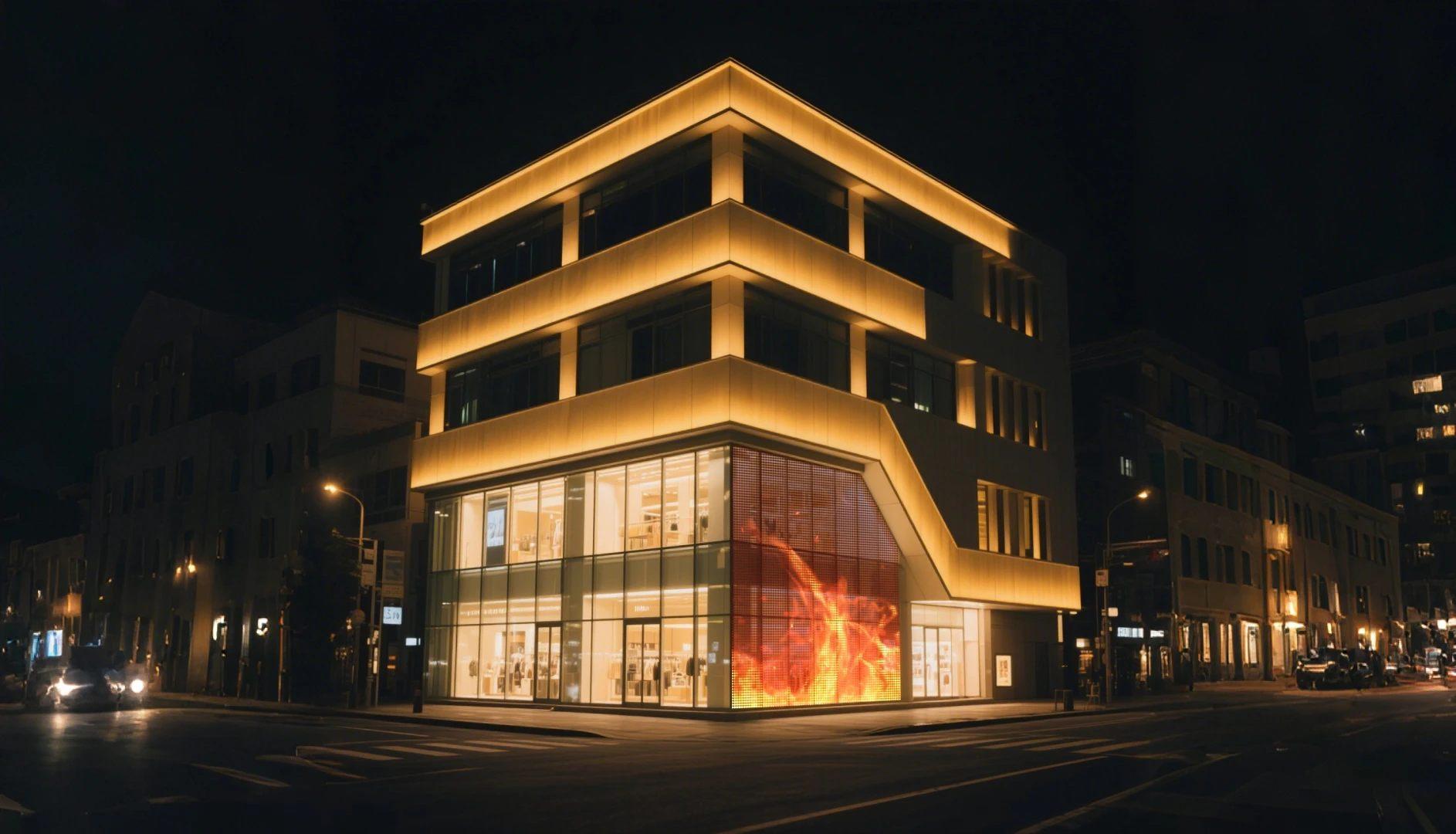
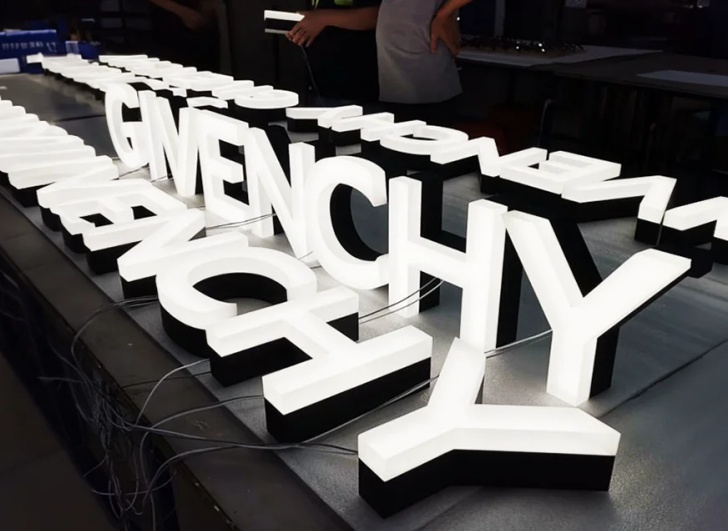
These issues usually appear when factories lack stable production control or rely on inconsistent raw materials. In large signage projects, even small differences between batches can create visible lighting inconsistencies across channel letters or storefront displays.
At YESUN LED, factory production is built around real project requirements. From LED chip selection to final assembly, every step focuses on maintaining brightness consistency, waterproof stability, and long-term performance.
LED technology has become the primary solution for commercial lighting due to its efficiency. According to the International Energy Agency, LED systems can reduce energy consumption by up to 75% compared with traditional lighting.
https://www.iea.org
Materials and Production Processes Inside a Reliable LED Module Factory
When buyers evaluate an LED module factory, the first step is understanding how products are actually made.
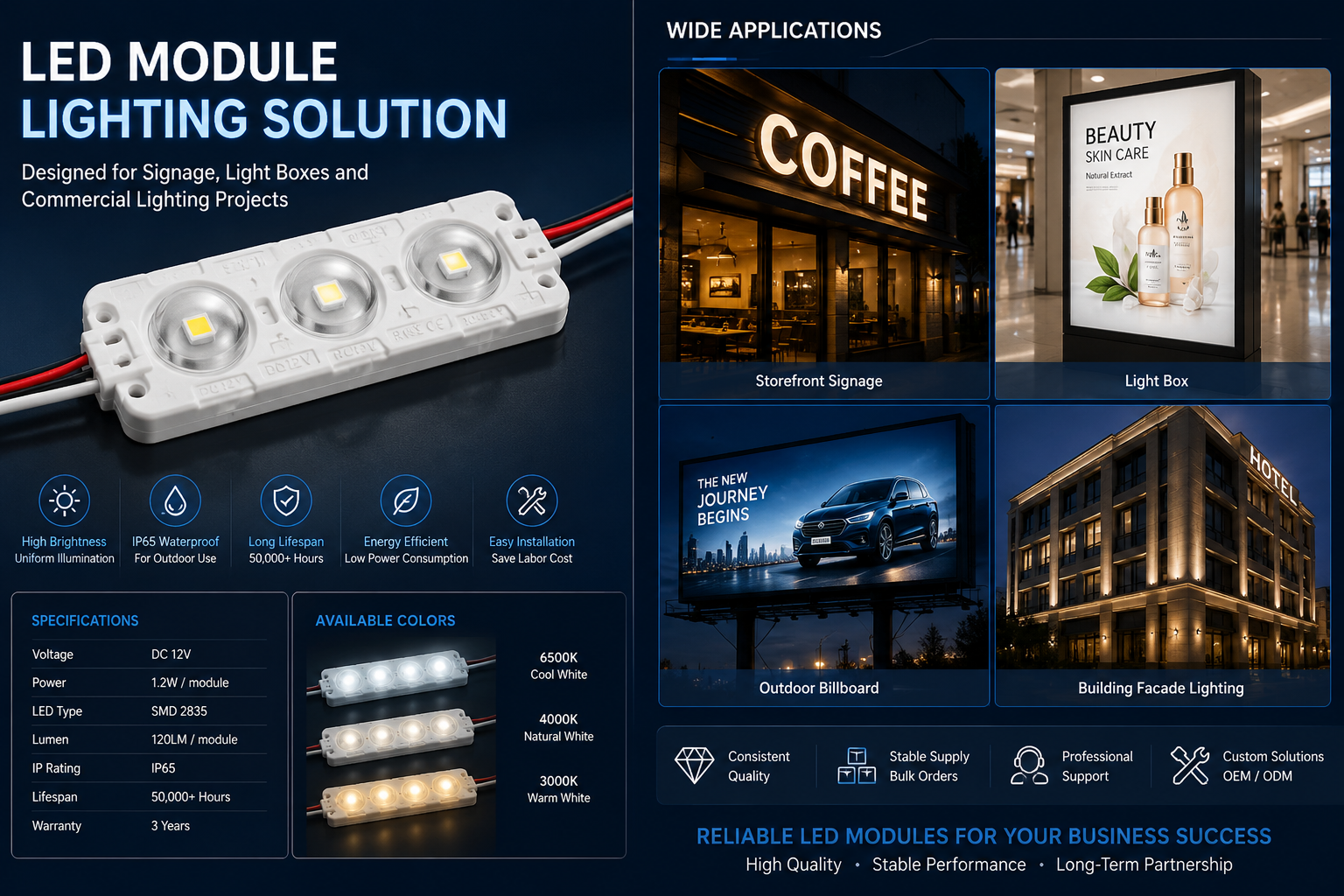
High-quality factories use SMD LED chips such as 2835 or 5050, ensuring stable brightness and long operating life. In commercial signage lighting, modules typically reach 100–130 lm/W, allowing signage to remain visible even in high ambient light conditions.
Production quality also depends on PCB design. Reliable factories use thicker copper layers and optimized circuit layouts, which help distribute heat evenly and prevent brightness loss during long operation.
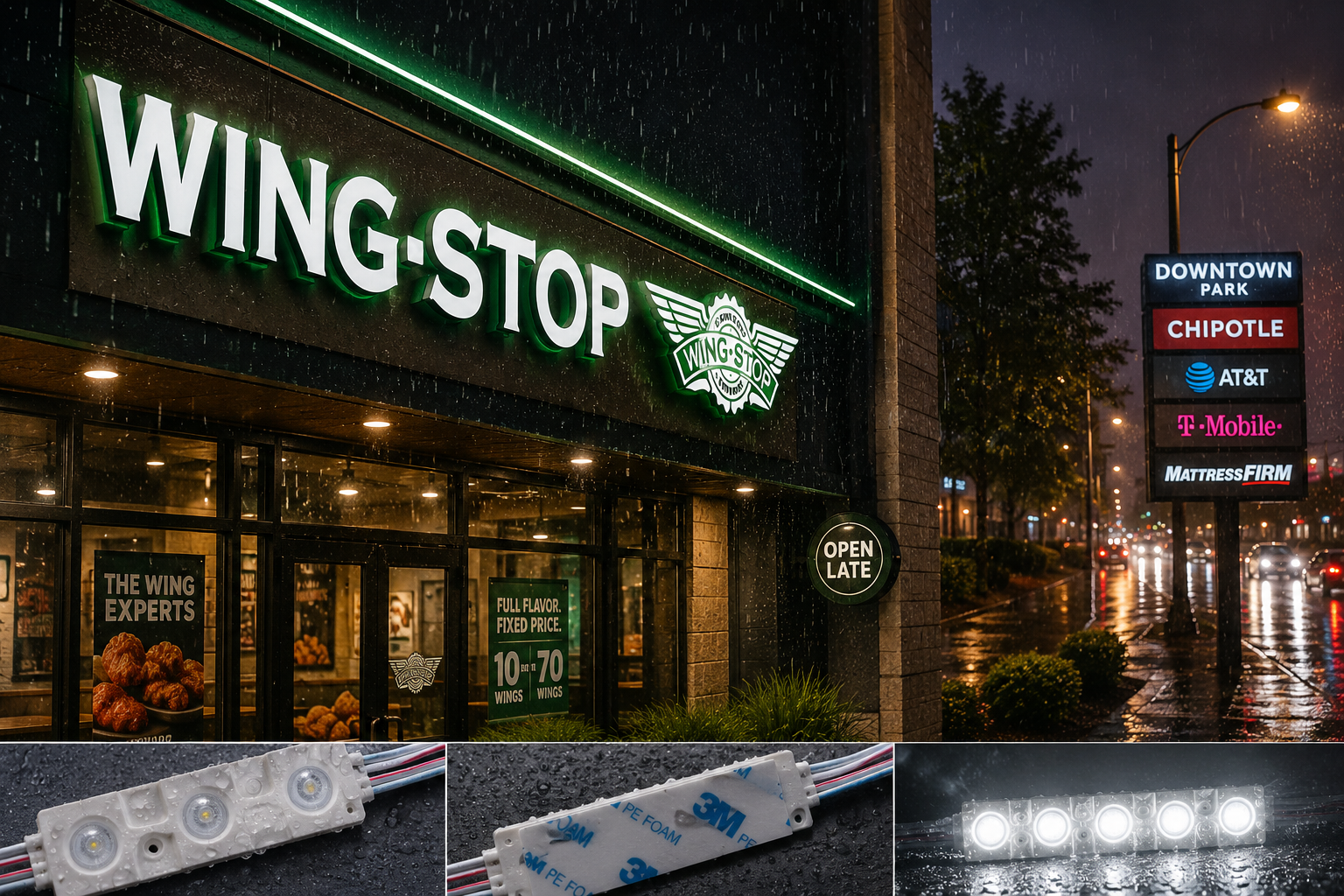
Waterproof production is another key step. Outdoor LED modules are usually sealed with resin or silicone encapsulation, achieving IP67 or IP68 protection to prevent water penetration.
| Feature | Basic Factory Output | Professional LED Module Factory |
|---|---|---|
| Brightness Consistency | Variable | Controlled (±5%) |
| Lifetime | 20,000–30,000 hrs | 50,000 hrs |
| Waterproof Rating | IP54–IP65 | IP67–IP68 |
| Batch Stability | Low | High |
Lighting research from the Lighting Research Center shows that manufacturing quality directly affects LED system stability in commercial environments.
https://www.lrc.rpi.edu
Why This Perspective Matters: YESUN LED Factory Production Experience
From years of working with global signage manufacturers, our team has found that the biggest difference between factories lies in process control, not just materials.
One of the most common issues in low-cost factories is inconsistent LED binning. This leads to modules with slightly different brightness levels, which become very noticeable in large signage installations.
Another issue is insufficient curing time in waterproof sealing. When production is rushed, sealing materials may not fully stabilize, increasing the risk of water ingress over time.
At YESUN LED, we standardize:
- LED binning processes for brightness consistency
- Controlled curing time for sealing materials
- Batch testing to ensure uniform performance
Our modules are designed to achieve over 50,000 hours of operational life, reducing maintenance requirements for large signage systems.
The U.S. Department of Energy also highlights that high-quality LED systems reduce long-term maintenance and replacement costs.
https://www.energy.gov
Real Case: Improving Signage Stability Through Factory-Level Changes
A signage distributor working on a chain retail project faced repeated issues with inconsistent module brightness. Different batches from their previous supplier caused visible variations across storefront signage.
In addition, several modules failed during rainy conditions, leading to frequent maintenance visits.
After switching to YESUN LED as their LED module factory, we identified two main improvements:
- Implementing strict LED binning for consistent brightness
- Upgrading to IP67 sealed modules with stable production processes
After deployment, the signage lighting across multiple stores became uniform, and maintenance frequency dropped significantly. The distributor reported improved installation efficiency and fewer client complaints.
According to the Sign Research Foundation, consistent and well-lit signage improves customer visibility and engagement in retail environments.
https://www.signresearch.org
Safety, Certification and Shipping Control at Factory Level
Beyond production quality, a reliable LED module factory must also ensure compliance and product safety.
One key concern is electrical stability. Poor factory design may result in voltage fluctuations, leading to overheating or reduced lifespan. Professional factories implement stable voltage design and testing procedures to ensure safe operation.
Certification is another essential factor. Products should meet standards such as CE, RoHS and UL, ensuring compliance across different markets.
Shipping protection also starts at the factory. LED modules must be packed using anti-static materials and reinforced cartons, preventing damage during international transportation.
Organizations such as the World Green Building Council emphasize the importance of durable and energy-efficient lighting in commercial buildings.
https://www.worldgbc.org
Where LED Modules From a Factory Are Used and What Each Scenario Requires
Different applications require different factory-level design considerations.
Channel Letter Signage
Demand: consistent brightness and uniform light distribution
YESUN Optimization: strict LED binning and wide beam angle design (120°–160°)
Retail Storefront Lighting
Demand: high visibility and stable long-hour operation
YESUN Optimization: high-efficiency modules with stable voltage output
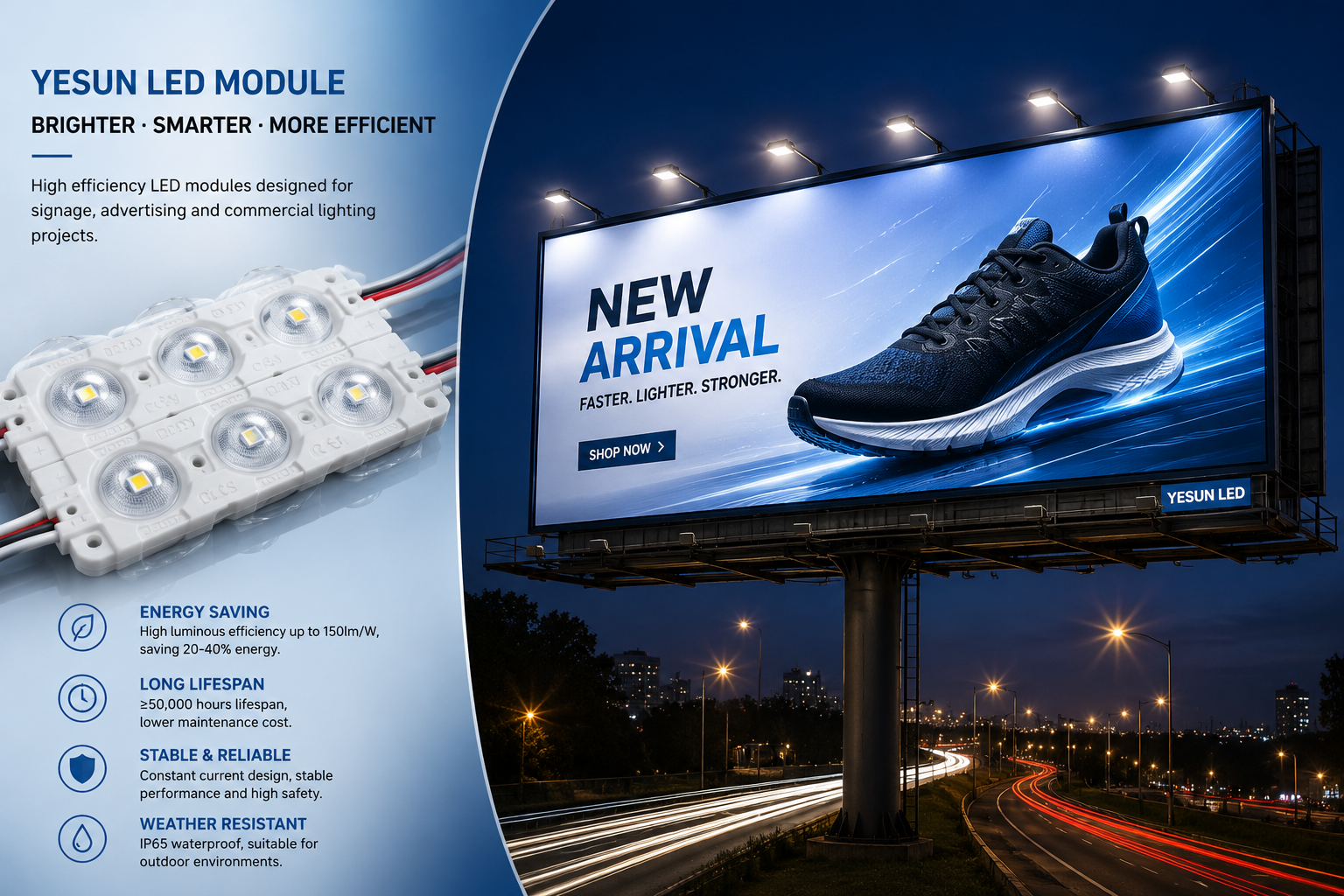
Outdoor Advertising Signs
Demand: waterproof protection and long-term durability
YESUN Optimization: IP67/IP68 sealing with reinforced encapsulation
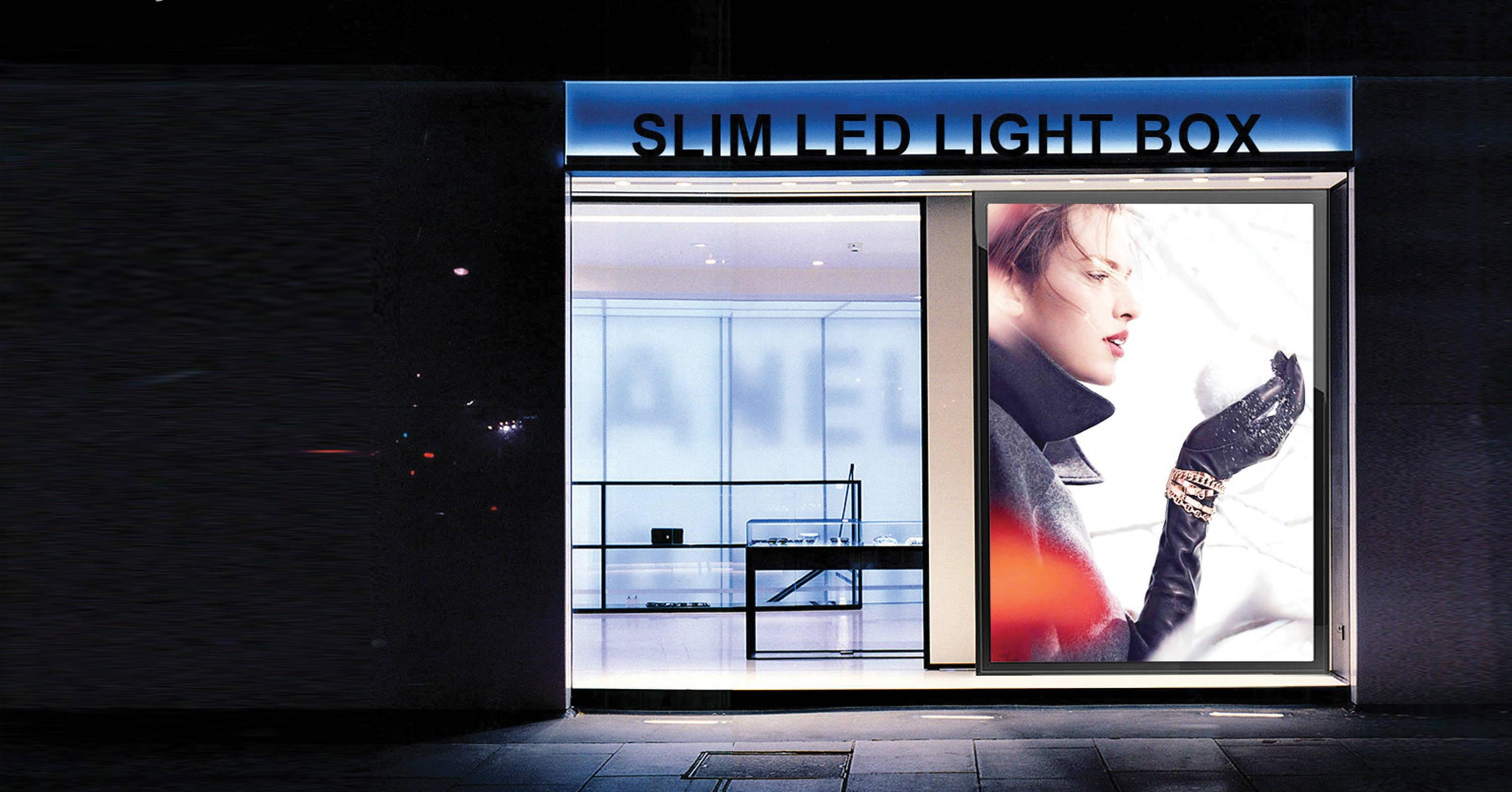
Light Boxes and Displays
Demand: smooth backlighting without visible hotspots
YESUN Optimization: module spacing design and consistent brightness output
Frequently Asked Questions
Q: What defines a reliable LED module factory?
A: A reliable factory ensures consistent brightness, stable production quality, proper waterproof design and certified safety standards.
Q: Why is batch consistency important for LED modules?
A: In large signage systems, inconsistent brightness between batches can create visible uneven lighting.
Q: Can LED module factories support OEM production?
A: Yes. Many factories provide OEM services including custom brightness, color temperature and module design.
YESUN LED Factory Supports Global Signage Lighting Projects
YESUN LED operates as a professional LED module factory, supplying LED modules, light sheets and signage lighting components for global distributors and signage manufacturers.
Our production focuses on consistent quality, waterproof reliability and long-term performance in commercial lighting environments.
Learn more about our company and production capabilities:
https://www.ysleds.com/
Explore our full product range for signage lighting projects:
https://www.ysleds.com/products
If you are looking for a stable LED module factory for long-term supply, YESUN LED provides solutions designed for real project conditions and scalable production needs.